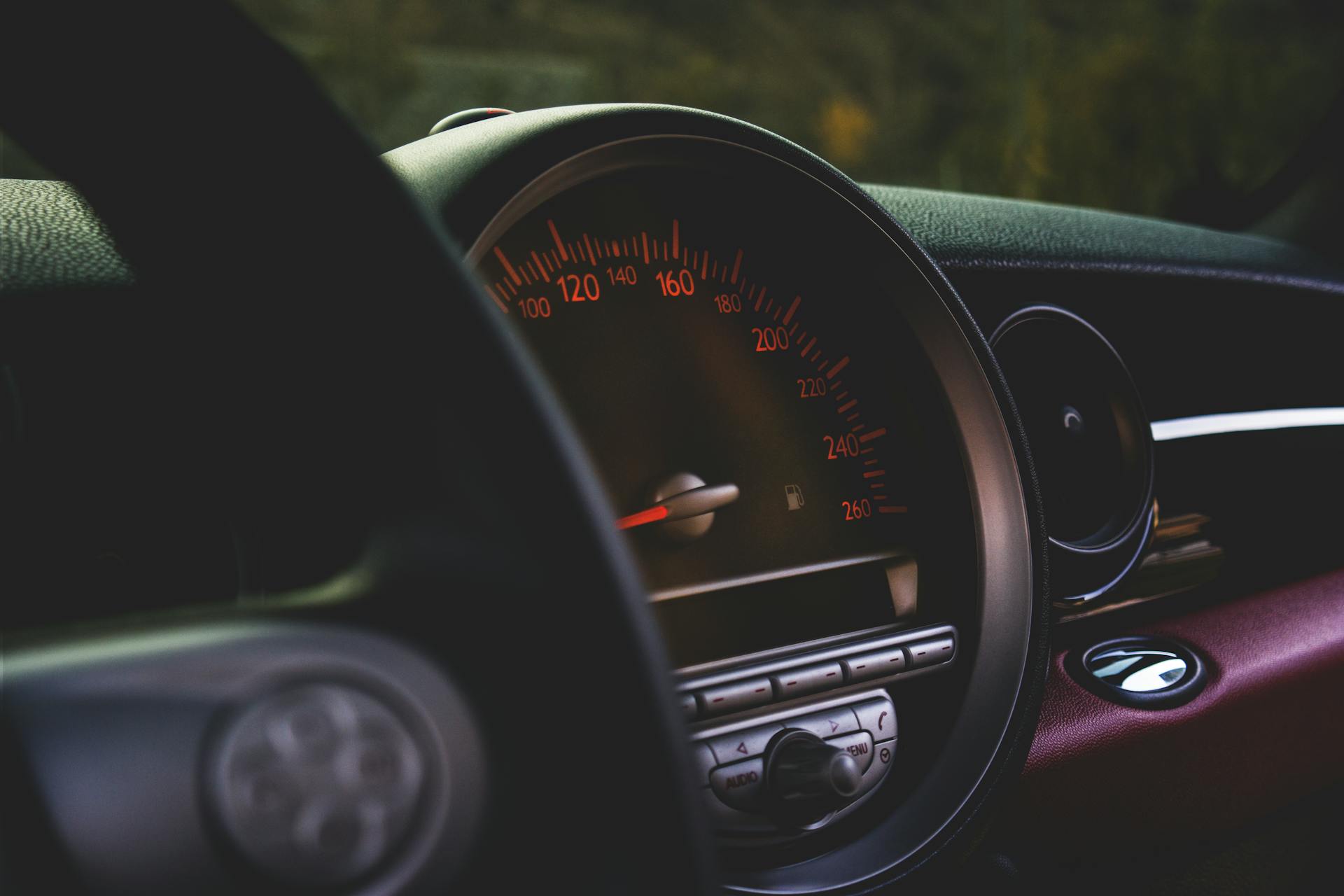
Mileage Fraud in Europe: How Common Is It and How to Spot It
Mileage fraud is the most widespread form of used car fraud in Europe — and the hardest to detect without data. A car with a rolled-back odometer looks identical to a genuine low-mileage example. The engine runs. The interior looks clean. The seller has an explanation for everything. Only the data tells the truth.
This article covers how mileage fraud works, how common it is across European markets, and exactly how to spot it before you buy.
What Is Mileage Fraud?
Mileage fraud — also called odometer tampering or clocking — is the deliberate manipulation of a vehicle’s recorded mileage to make it appear lower than it actually is. A car with 180,000 km of genuine wear might be presented to a buyer with 80,000 km on the clock.
The motivation is simple: lower mileage means higher price. A 5-year-old car with 60,000 km commands significantly more money than the same car with 160,000 km. The difference can be thousands of euros.
In older vehicles, odometer tampering required physical access to the instrument cluster. In modern cars it is done digitally — a laptop, a diagnostic cable, and software available online for under €100. The process takes minutes and leaves no visible trace on the dashboard.
How Common Is Mileage Fraud in Europe?
The data is striking. carVertical analysed over 1 million vehicle history records across Europe and published the following findings:
- Poland: 24% of used cars show signs of mileage manipulation
- Romania: 19% of used cars show signs of mileage manipulation
- Lithuania: 35% — the highest rate in the EU
- Latvia: 30%
- Bulgaria: 28%
- Germany: 8% — lower but still significant given the volume of cars exported east
The pattern is clear: mileage fraud is most prevalent in Central and Eastern Europe, where cars frequently cross borders and recorded service histories are less consistent. Germany is a major source of used cars imported into Poland, Romania, and the Baltic states — and a significant proportion arrive with manipulated odometers.
The average rollback is 60,000–100,000 km. On a mid-range used car, this represents a price premium of €2,000–€5,000 paid by the buyer for a car that is worth far less.
How Mileage Fraud Works
Understanding the mechanics helps you spot the warning signs.
Digital odometer manipulation
Most post-2000 vehicles store mileage digitally across multiple electronic control units (ECUs) — the instrument cluster, the engine management unit, the gearbox controller, and others. Professional clocking tools write a new mileage value simultaneously across all ECUs, making the manipulation very difficult to detect without a full diagnostic scan or historical data.
Cross-border exploitation
When a car crosses an international border and is re-registered in a new country, its service history often does not follow. A car inspected at 160,000 km by a German workshop will have that reading recorded in German insurance and workshop databases. Once re-registered in Poland, that record is invisible to a buyer who only checks Polish sources.
This is precisely why cross-border vehicle history data — the kind carVertical aggregates from 30+ countries — is essential for imported vehicles.
Selective service history
Fraudsters sometimes present a genuine partial service history that appears to support the false mileage. If a car has been serviced at 45,000 km and 55,000 km (with the real readings of 145,000 km and 155,000 km removed), a buyer seeing only those two stamps has no obvious reason to be suspicious.
How to Spot Mileage Fraud
1. Run a VIN history report
This is the single most reliable method. A full vehicle history report from a cross-border database shows every recorded mileage entry with date, source, and country. A timeline that drops — 120,000 km in 2021, then 75,000 km in 2023 — is definitive evidence of tampering.
→ Check a car’s mileage history — 20% off with AutoCheck24
2. Check the physical wear against the claimed mileage
A car claiming 60,000 km should show relatively fresh wear across all contact points. Warning signs of higher actual mileage include:
- Steering wheel — worn leather or plastic, especially at the 9 and 3 o’clock positions
- Driver’s seat — bolster wear, sagging cushion, worn fabric or leather
- Pedal rubbers — significantly worn accelerator and brake pedals
- Gear knob — worn markings or smooth plastic on a car claiming low mileage
- Door sills — scratched or worn paint from repeated entry/exit
No single sign is conclusive. But a car with four or five of these indicators and 60,000 km on the clock is almost certainly clocked.
3. Check the service history carefully
Look at every stamp and entry. Note the mileage at each service and verify it creates a consistent upward line. A gap in the history — three years with no stamps — is either honest (the owner didn’t service it) or suspicious (the history has been edited).
Ask the seller to explain any gaps. The response tells you a great deal.
4. Get an independent inspection
For high-value purchases, an independent mechanical inspection by a certified workshop can include a full ECU diagnostic scan. This reads mileage values from multiple control units simultaneously — discrepancies between units indicate tampering.
5. Be suspicious of unusually low mileage
A 10-year-old car with 45,000 km deserves scrutiny. While genuine low-mileage examples exist — elderly owners, second cars, company vehicles — they are rare. If the price seems too good for the mileage, it usually is.
What Mileage Fraud Costs You
The financial consequences of buying a clocked car go beyond overpaying on the purchase price:
- Higher maintenance costs — components that should have been replaced (timing belt, clutch, brake discs) are already overdue
- Unexpected breakdowns — a high-mileage engine and gearbox are closer to failure than the dashboard suggests
- Lower resale value — when the true mileage is eventually discovered, the car is worth significantly less
- Insurance complications — some policies require accurate mileage declarations; a discrepancy can affect claims
A €3,000 saving on a clocked car can easily result in €5,000–€8,000 in unplanned costs within two years.
Which Cars Are Most Commonly Clocked?
Any popular used car can be targeted, but the highest-risk vehicles are:
- German premium brands (BMW 3/5 Series, Mercedes C/E Class, Audi A4/A6) — high original value, widely exported east
- High-mileage diesel estate cars — naturally accumulate very high mileage, making large rollbacks plausible
- Fleet and rental cars — often accumulate 40,000–60,000 km per year; returned to the market with manipulated readings
- Cars imported from Western Europe to Central/Eastern European markets
If you are buying any of the above, a mileage history check is not optional — it is essential.
Frequently Asked Questions
Is odometer tampering illegal in Europe? Yes. Odometer fraud is illegal across the EU under consumer protection and fraud legislation. However, prosecution is rare and enforcement inconsistent — prevention is far more effective than legal recourse after the fact.
Can I detect mileage fraud just by looking at the car? Physical inspection can raise suspicion but cannot confirm it. The only reliable confirmation is cross-referencing the odometer against recorded mileage entries in a vehicle history database.
What if the VIN report shows no mileage history at all? No history is not proof of fraud — it may simply mean the car was registered in a country with limited data coverage, or that it has few recorded service events. However, a car with no history should be priced accordingly and inspected more thoroughly.
How much does a mileage history check cost? A full VIN report including complete mileage timeline costs approximately €9.99–€14.99. Using our link applies a 20% discount automatically.
Can a dealer legally sell a clocked car? A dealer who knowingly sells a car with manipulated mileage is committing fraud. Private sellers are in a more complex legal position — in many EU countries, failure to disclose a known defect is actionable, but proving knowledge is difficult.
Summary
Mileage fraud affects 1 in 4 used cars in some European markets. It is invisible to the naked eye, takes minutes to execute, and costs buyers thousands of euros in overpayment and unplanned repairs.
The only reliable protection is a vehicle history report that cross-references recorded mileage entries across multiple countries and sources. Run the check before you inspect the car in person — if the mileage timeline shows a drop, you have saved yourself the trip.
→ Check a car’s full mileage history — 20% off via AutoCheck24
AutoCheck24 is an official affiliate partner of carVertical. When you purchase a report through our links, we receive a commission at no extra cost to you. The 20% discount is applied automatically via our partner link.