Best Place to Buy Used Cars: Where to Shop Safely in 2026

Where Is the Best Place to Buy Used Cars?
The best place to buy used cars depends on your priorities — price, convenience, legal protection, or selection — but every channel carries its own risks that buyers must understand before handing over money. Whether you are browsing a franchised dealership forecourt, scrolling an online marketplace at midnight, or bidding at a physical auction, the fundamentals of a safe purchase remain the same. This guide breaks down every major buying channel, compares them honestly, and shows you how to protect yourself regardless of where you shop.
Why Where You Buy Matters as Much as What You Buy
The used car market is large, fragmented, and unevenly regulated. According to Which?, buyers who purchase from private sellers have significantly fewer legal rights than those who buy from a registered dealer — a fact many buyers only discover after a problem emerges. Beyond legal protection, data paints a sobering picture of what is actually circulating in the market. carVertical data from 2024 shows that 24% of used cars in Poland carry signs of mileage manipulation, while the figure sits at 19% in Romania and 8% in Germany. Across Europe, 40% of stolen vehicles are never recovered, meaning they can silently re-enter the second-hand market with clean-looking paperwork.
These are not abstract statistics. They translate directly into buying decisions: a cheaper private-sale price can quickly become an expensive mistake if the car has a clocked odometer or a hidden finance agreement. Understanding each buying channel helps you weigh price against risk intelligently.
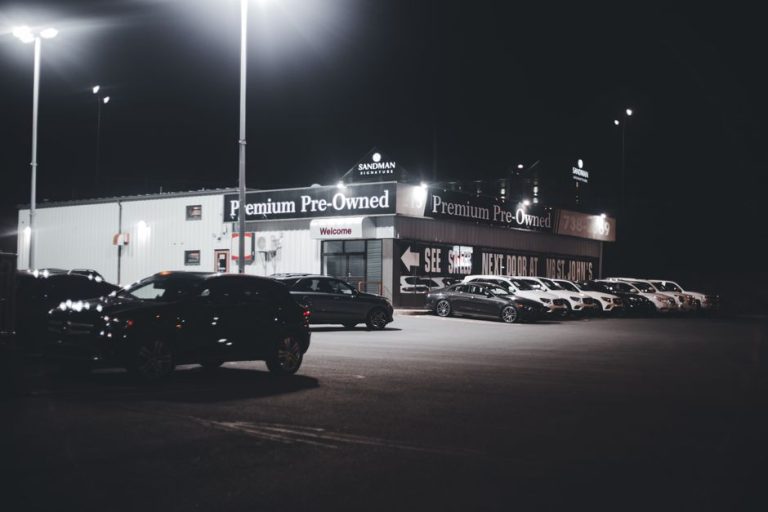
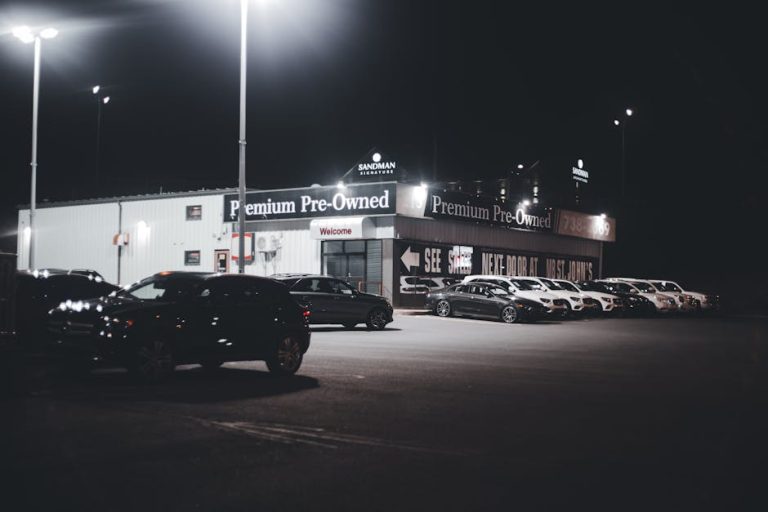
Franchised and Independent Dealerships
Franchised Dealers
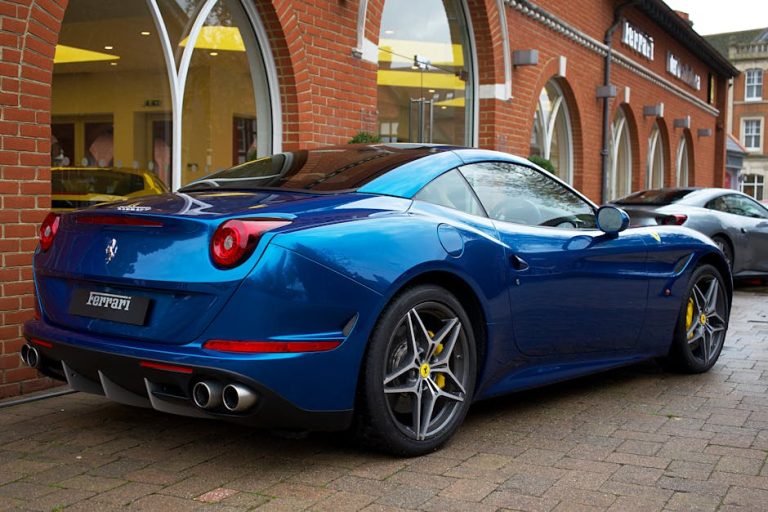
Franchised dealers — authorised retailers tied to a specific manufacturer brand — offer the highest level of consumer protection. Cars typically come with a remaining manufacturer warranty or a dealer-backed warranty, full service history, and a multi-point inspection. Under the Consumer Rights Act 2015, any fault present at the time of sale entitles the buyer to a repair, replacement, or refund within the first 30 days, and further rights apply up to six years.
The trade-off is price. Franchised dealer stock is usually priced 10–20% above equivalent private-sale cars to cover preparation costs, warranty provision, and overhead. For buyers who want certainty and after-sale support, that premium is often worthwhile.
Independent Dealers
Independent dealers vary enormously in quality. A well-established local independent with strong reviews can offer a similar experience to a franchised dealer at a lower price. However, warranty terms, preparation standards, and after-sale support are less standardised. Always verify that an independent dealer is registered with a trade body such as the RMIF or a similar association, and check online reviews across multiple platforms before committing.
Private Sellers
Private sellers typically advertise through classified platforms and usually price cars below the retail market. That discount exists for a reason: you buy the car as seen, with minimal legal recourse if problems emerge. The Consumer Rights Act does not apply to private sales — only the Sale of Goods Act principle that goods must match their description.
Risks specific to private sales include undisclosed outstanding finance (where the lender can legally repossess the car even from an innocent buyer), mileage fraud, and concealed accident damage. carVertical data indicates the average odometer rollback in affected vehicles is between 60,000 and 100,000 km — a difference that can cost thousands in premature mechanical repairs.
Online Car Marketplaces and Retail Platforms
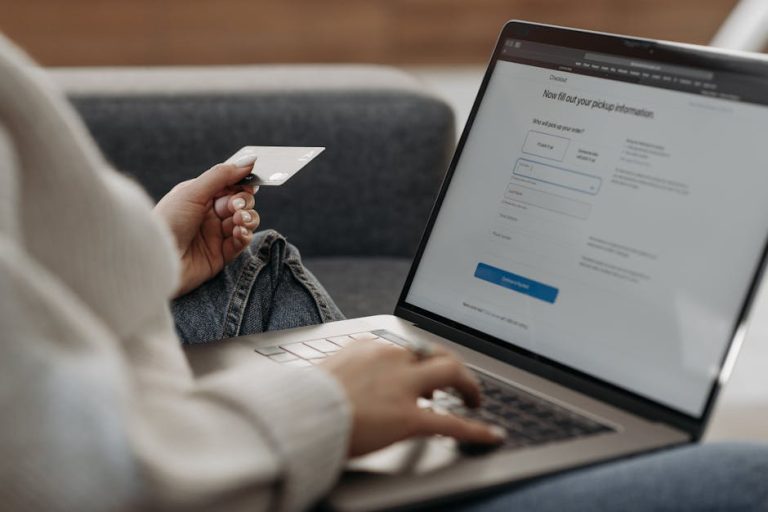
Online platforms broadly split into two categories: classified marketplaces (where private sellers and dealers list cars, and the platform takes no responsibility for the transaction) and online car retailers (where the platform itself is the seller and provides its own warranty, returns policy, and delivery).
Online retailers have grown rapidly because they address the trust problem directly. Returns windows of seven to fourteen days, home delivery, and transparent pricing remove several friction points from the buying process. The stock is typically pre-inspected and comes with a short warranty. Prices sit closer to dealer retail than private-sale levels, but the convenience and protection justify this for many buyers.
Classified marketplaces offer far wider selection and lower average prices, but responsibility for due diligence sits entirely with the buyer. Treat any listing on a classified site — dealer or private — as unverified until you have checked the history independently.
Car Auctions
Auctions — both physical and online — attract buyers looking for below-market prices, and they can deliver genuine bargains, particularly for buyers who know exactly what they want and can assess condition quickly. However, consumer protections are minimal: cars are sold as seen, inspection time is short, and emotional bidding can push prices above sensible levels.
Auction vehicles frequently include ex-fleet, ex-lease, and part-exchange cars that dealers chose not to retail. That does not make them poor quality, but it does mean the history needs scrutiny. A vehicle history report is essential before bidding on any auction car — and since carVertical generates reports in 40 seconds, there is no excuse to skip it even under time pressure.
Comparing Every Buying Channel: At a Glance
| Channel | Typical Price vs. Market | Legal Protection | Inspection Quality | Selection | Best For |
|---|---|---|---|---|---|
| Franchised Dealer | +10–20% | Highest (Consumer Rights Act) | High (multi-point check) | Brand-specific | Buyers prioritising peace of mind |
| Independent Dealer | +5–15% | High (Consumer Rights Act) | Variable | Mixed | Price-conscious buyers wanting dealer rights |
| Private Seller | –10–25% | Low (description only) | None — self-declared | Widest | Experienced buyers doing full due diligence |
| Online Retailer | +5–15% | High (own returns policy) | High (pre-inspected) | Large | Buyers wanting convenience and certainty |
| Classified Marketplace | Variable | Depends on seller type | None — self-declared | Widest | Savvy buyers who verify independently |
| Auction | –15–30% | Minimal | Limited | Large, specialist | Experienced buyers seeking value |
What to Do Before You Buy — Regardless of the Channel
No matter which channel you use, four steps protect every used car purchase:
- Run a vehicle history check. A carVertical report covers theft, mileage history, write-off status, finance, and ownership records across 31 countries. Use code movcareu for 20% off via our partner link.
- Get an independent mechanical inspection. A physical inspection by a qualified mechanic (typically £100–£200 in the UK) can identify structural damage, fluid leaks, and worn components that no database can detect.
- Check for outstanding finance. A vehicle with outstanding finance can be legally repossessed even from an innocent buyer. The history report covers this, but always verify.
- Verify the seller’s identity. Match the V5C logbook name and address to the seller, and check that the VIN on the logbook matches the car physically.
For a deeper walkthrough of the full buying process, see our complete guide: Used Cars UK: The Smart Buyer’s Guide to Finding and Checking Your Next Car Safely.
How Geography Affects Your Risk
Where a car has been registered and driven matters. Cross-border purchases — buying a German-registered car privately, for example — add complexity around documentation, import taxes, and history verification. carVertical’s database spans 31 countries and over 1 billion records, which makes it one of the few tools that can meaningfully check a car’s history across borders. For buyers considering imports, our guide on how to buy used cars safely covers the additional checks required.
Country-level mileage fraud rates also give important context. Germany’s 8% manipulation rate (2024 carVertical data) is among the lowest in Europe, which is one reason German-registered cars carry a premium in neighbouring markets. Lithuania tops the EU at 35%. Understanding these figures helps you calibrate how much verification work a given car requires.
FAQ
What is the best place to buy used cars in the UK?
There is no single best option — franchised dealers offer the strongest legal protection, online retailers offer convenience, and private sellers offer the lowest prices. The right channel depends on your budget, risk tolerance, and how much due diligence you are willing to do. Whichever channel you use, a vehicle history check is non-negotiable.
Is it safer to buy from a dealer or a private seller?
Dealers — franchised or independent — offer significantly stronger legal protection under the Consumer Rights Act 2015. If a fault was present at the time of sale, you have a right to a repair, replacement, or refund within 30 days. Private sales carry no equivalent protection, so price savings must be weighed against higher risk.
What checks should I run on any used car before buying?
At minimum: a full vehicle history report (covering mileage, theft, write-off, and finance status), a physical inspection by an independent mechanic, V5C logbook verification, and a VIN check to confirm the logbook matches the car. For cross-border purchases, check import documentation and tax status as well.
Can I trust cars sold on online classified platforms?
Classifieds list both dealers and private sellers, and the platform itself takes no responsibility for the accuracy of listings. Treat every listing as unverified. A vehicle history report, physical inspection, and identity checks are essential before purchasing from any classified listing.
How common is mileage fraud on used cars?
More common than most buyers expect. According to 2024 carVertical data, 24% of used cars checked in Poland show signs of mileage manipulation, 19% in Romania, and 8% in Germany. The average rollback is between 60,000 and 100,000 km — enough to significantly shorten the remaining useful life of key components.
Are online car retailers worth the premium over private sellers?
For many buyers, yes. Online retailers provide pre-inspected stock, a transparent pricing model, home delivery, and a returns window — benefits that justify paying closer to retail price. If you lack the time or confidence to conduct thorough due diligence on a private sale, the premium for a protected purchase is a sensible investment.
What is the cheapest place to buy a used car?
Auctions and private sellers consistently offer the lowest prices — often 15–30% below retail for auctions. However, these channels come with the weakest protections and require the most buyer expertise. Savings can be quickly erased by undisclosed mechanical problems, hidden finance, or mileage fraud, so never skip a history check regardless of how good the price looks.
The Bottom Line: Matching the Right Channel to Your Situation
The best place to buy used cars is ultimately the one that matches your risk appetite, budget, and level of buying experience. Franchised dealers and reputable online retailers offer the safest experience at a price premium. Private sellers and auctions offer genuine savings but demand rigorous due diligence. Whatever channel you choose, one rule applies universally: check the car’s history before you commit. A carVertical report — 40 seconds, 31 countries, over 1 billion records — is the single most cost-effective step you can take. Use voucher code movcareu for 20% off through our partner link below.
AutoCheck24 is an official carVertical affiliate partner. When you purchase a report through our links, we receive a commission at no extra cost to you. The 20% discount is applied automatically via our partner link.